Why America Must Preserve Veterans’ Stories Before They Are Lost
There are stories that entertain us, stories that inspire us, and stories that help us understand who we are.
Veterans’ stories can do all three.
But they also do something more important.
They preserve firsthand history.
Every veteran carries a piece of a much larger story. Some served during war. Some served during times of peace. Some spent years far from home. Others protected our shores, maintained equipment, trained troops, cared for the wounded, supported military families, or performed work the public may never fully understand.
Not every veteran stood on a battlefield.
Every veteran, however, made a commitment to serve.
That commitment matters, and the story behind it deserves to be heard.
History Is More Than Dates and Battles
Most people first learn military history through textbooks, documentaries, museums, and old photographs.
Those resources are important, but they can only take us so far.
History becomes personal when we hear it from someone who lived it.
A veteran can describe what it felt like to leave home for training, step onto foreign soil, enter a dangerous situation, receive difficult orders, lose a friend, return home, or try to build a normal life after service.
Those experiences rarely fit neatly into a history book.
They are emotional, complicated, and deeply human.
When a veteran tells his or her story, we hear more than a sequence of events. We hear uncertainty, courage, grief, humor, frustration, loyalty, faith, and the weight of responsibility.
That is the part of history that is most easily lost.
Many Veterans Do Not Believe Their Stories Matter
One of the biggest obstacles to preserving veterans’ stories is not technology.
It is humility.
Many veterans do not consider themselves heroes. They may say they were simply doing their jobs. They may believe someone else served longer, sacrificed more, or faced greater danger.
That humility is admirable, but it can also keep important stories from being told.
A veteran does not need to have received a medal, held a high rank, or participated in a famous battle for his or her experience to matter.
The mechanic who kept aircraft flying has a story.
The Coast Guardsman who answered a distress call has a story.
The nurse who cared for wounded service members has a story.
The young recruit who learned discipline, leadership, and responsibility has a story.
The spouse who held the family together during deployment is part of that story as well.
The value of a veteran’s experience is not determined by how dramatic it sounds.
It is determined by the truth it carries.
Families Often Discover the Value Too Late
Many families know that a parent, grandparent, spouse, or sibling served in the military, but they do not know the full story.
They may know the branch of service, a few locations, and one or two memorable events. The deeper details often remain unspoken.
Then one day, the opportunity to ask questions is gone.
That is when families begin searching through boxes, photographs, medals, letters, uniforms, discharge papers, and old recordings, trying to reconstruct a life that could have been explained in the veteran’s own words.
A photograph can show us where someone was.
A medal can tell us that something significant happened.
A military record can provide dates and assignments.
Only the veteran can explain what those things meant.
That is why preserving these stories cannot always wait for the perfect time.
The perfect time has a way of never arriving.
These Stories Still Have Something to Teach Us
Veterans’ stories are not only about the past.
They offer lessons that are urgently relevant today.
They teach us about leadership when the stakes are high.
They show us what service looks like when it requires sacrifice.
They reveal how trust is built within a team.
They remind us that courage does not mean the absence of fear.
They show us that responsibility often arrives before we feel ready for it.
They can also teach us about failure, regret, resilience, grief, and the difficult transition back into civilian life.
A polished biography may tell us what someone accomplished.
A real conversation shows us what the experience cost, how the person changed, and what was learned along the way.
That is where the greatest value is often found.
Preserving a Story Requires More Than Recording Facts
It is possible to record a veteran for an hour and still miss the heart of the story.
Good storytelling requires trust.
It requires thoughtful questions, patience, preparation, and the willingness to listen without forcing the conversation into a predetermined shape.
The goal should not be to make every story sound heroic or cinematic.
The goal should be to preserve it honestly.
Some memories are difficult.
Some stories are funny.
Some involve moments of fear or confusion.
Others reveal deep faith, lifelong friendships, or lessons that only became clear many years later.
The interviewer’s job is not to manufacture drama.
It is to create enough room for the truth to emerge.
Why We Created MISSION: ACCOMPLISHED
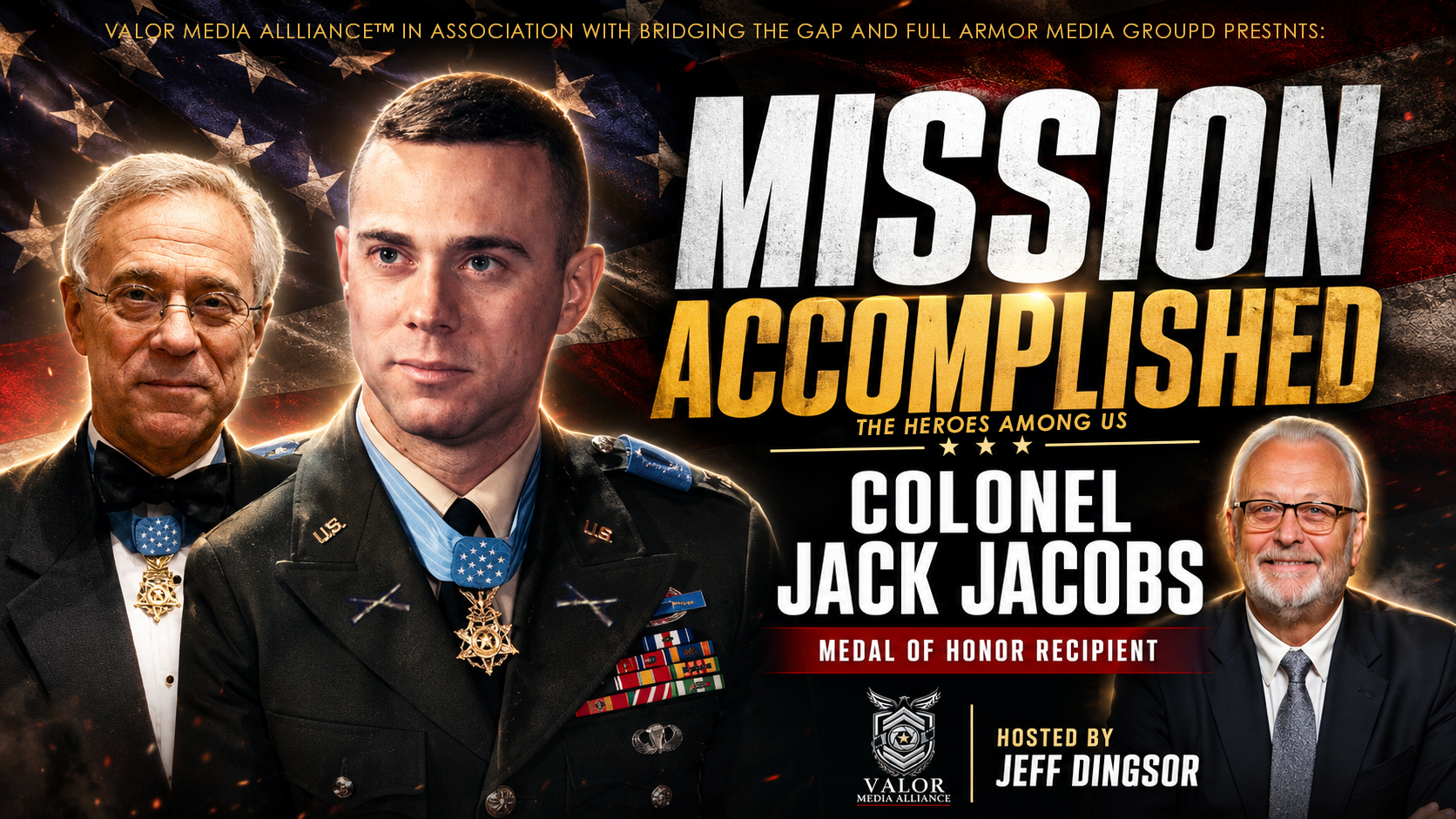
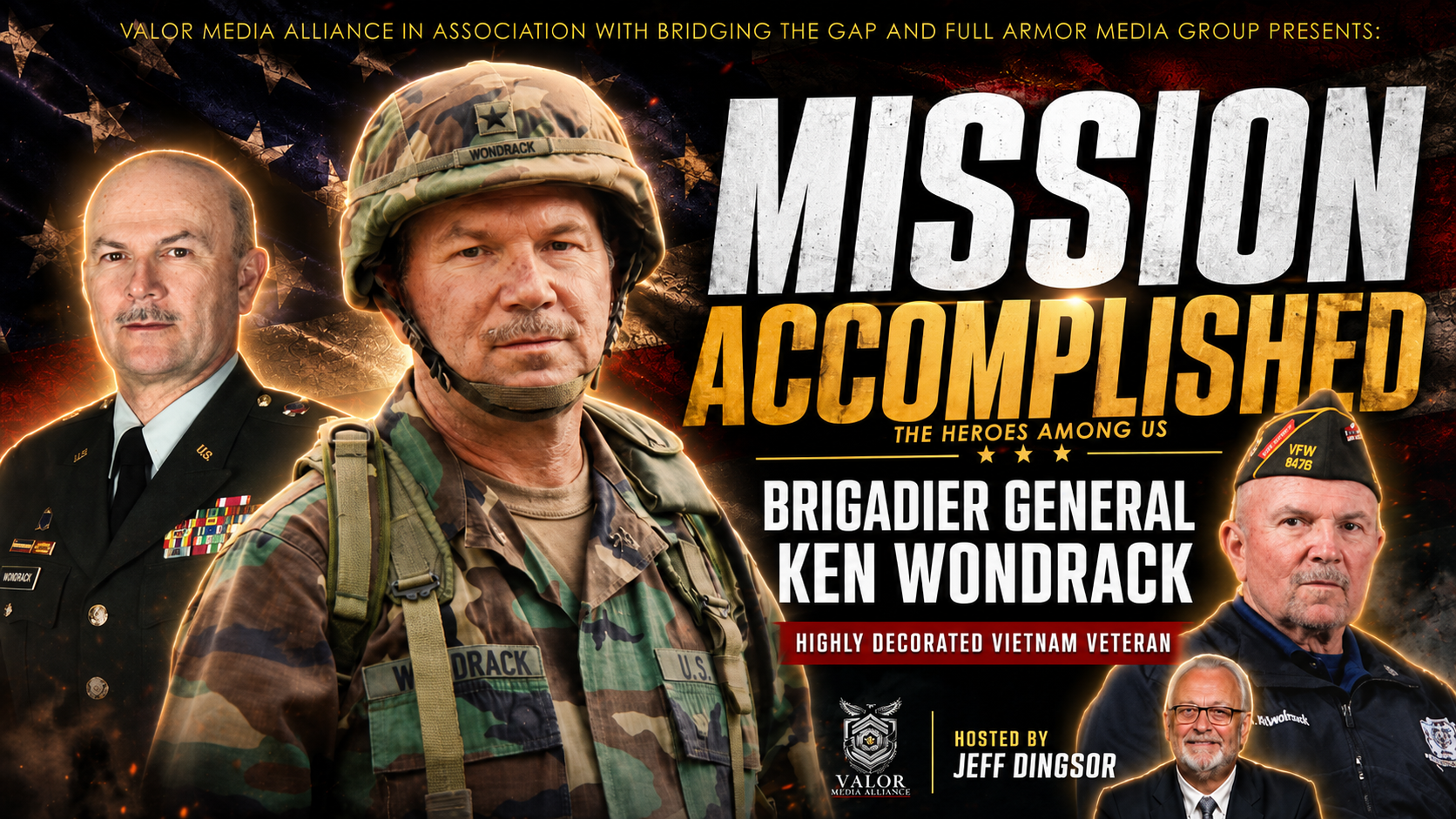
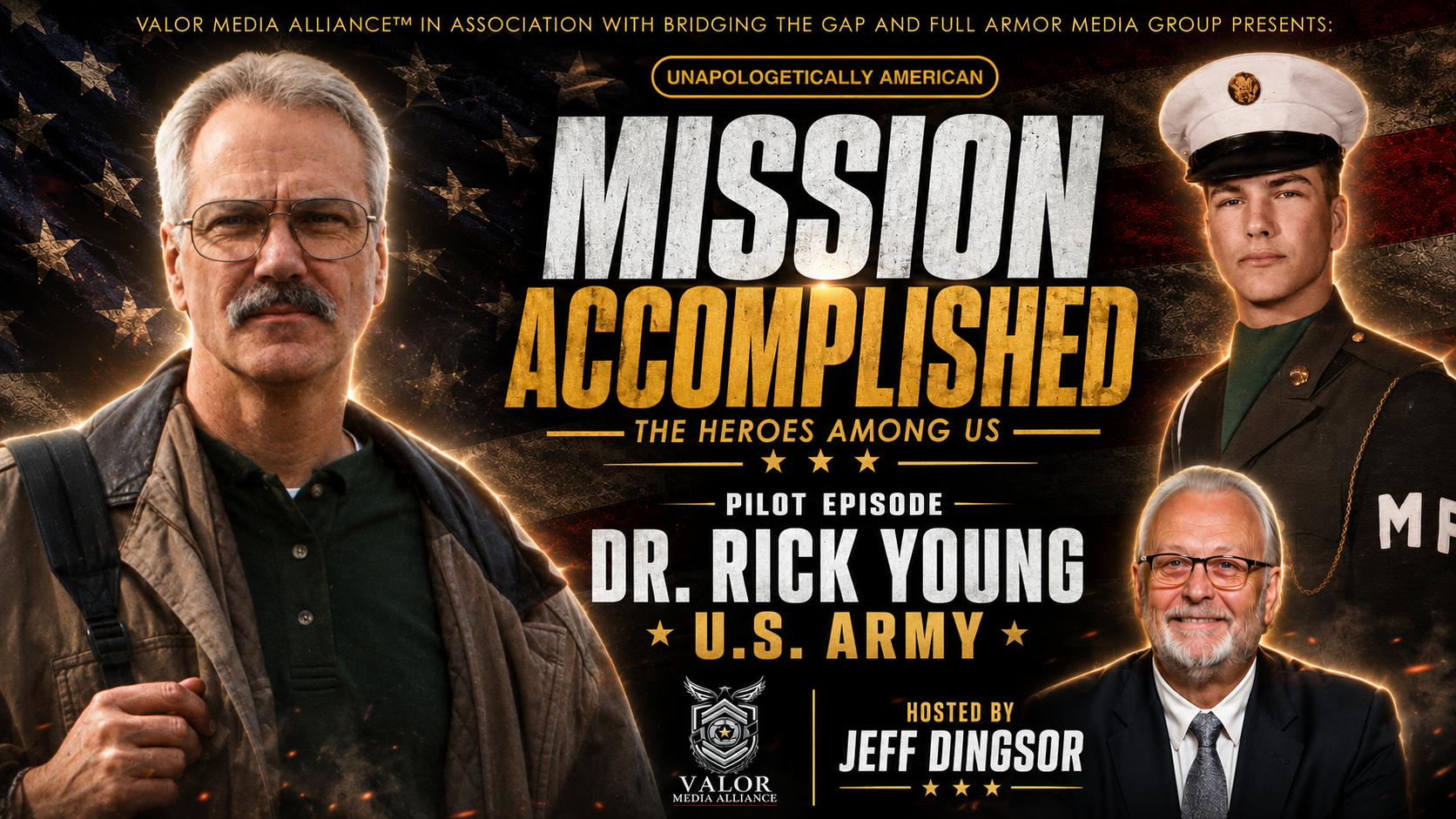
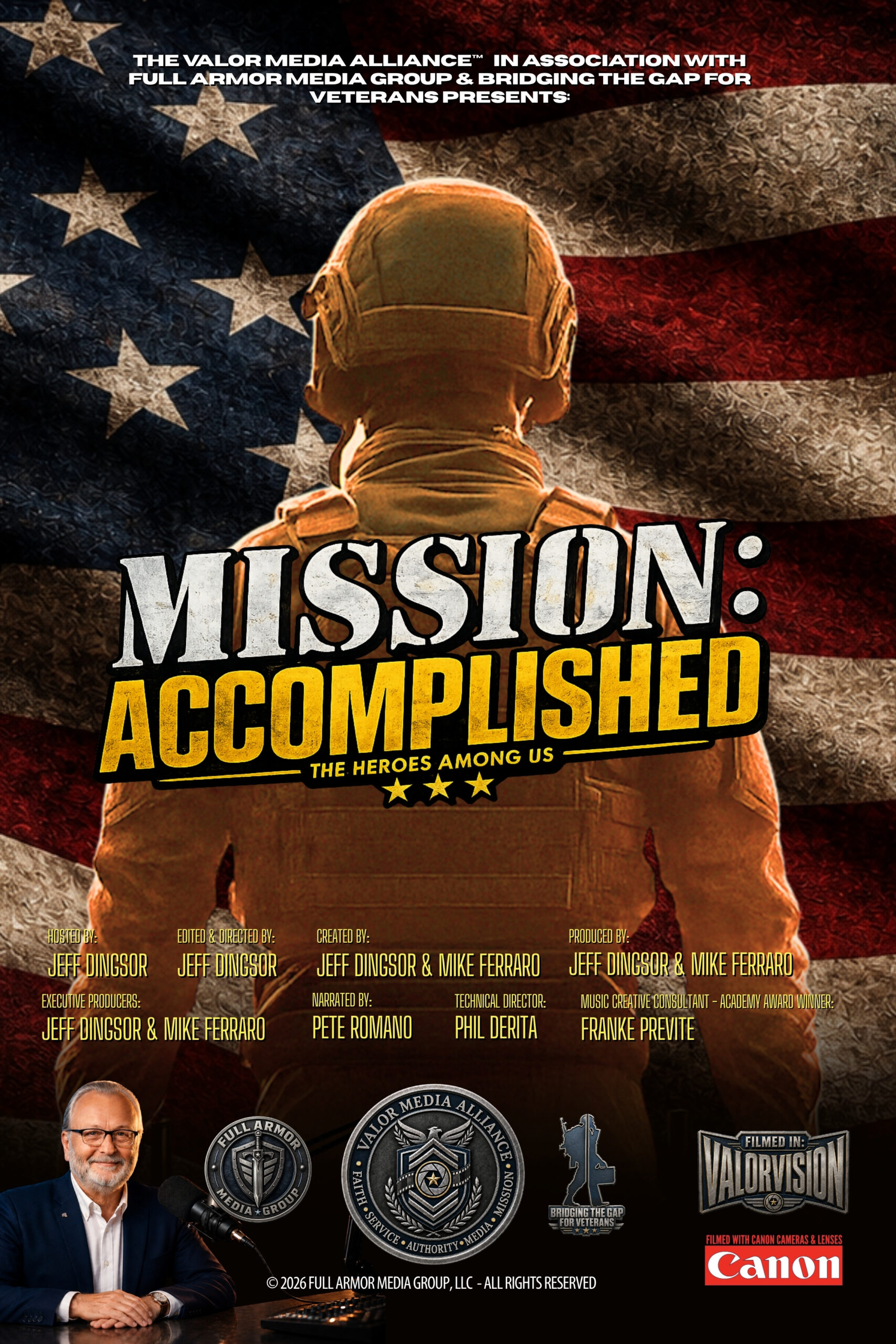
VALOR Media Alliance™ created MISSION: ACCOMPLISHED because veterans deserve more than a quick sound bite or a brief recognition on a holiday.
They deserve the opportunity to tell their stories with dignity, depth, and context.
The series is built around honest conversations about service, sacrifice, courage, leadership, faith, and the realities veterans carried home with them.
Some stories are connected to historic events.
Others focus on personal transformation, responsibility, brotherhood, or the long-term impact of military service.
Every episode is part of a larger mission.
We are not simply producing content.
We are preserving testimony.
The Responsibility Does Not Belong to Veterans Alone
Veterans should not have to convince the rest of us that their stories are worth saving.
Families, communities, businesses, schools, veteran organizations, historians, filmmakers, and local leaders all have a role to play.
Ask the questions.
Record the conversations.
Preserve the photographs.
Write down the names.
Identify the people standing in old pictures.
Save the letters and documents.
Invite veterans to speak before their stories are reduced to a few facts in an obituary.
Most importantly, listen.
Listening is one of the simplest ways we can honor service.
A Story Preserved Becomes a Legacy
Military service may occupy only a few years of a person’s life, but its influence can last for generations.
A recorded story can help children and grandchildren understand where certain values came from.
It can help a community understand the people who served in its name.
It can provide future leaders with examples of courage, responsibility, and sacrifice.
It can also remind veterans that what they experienced, learned, endured, and contributed was not forgotten.
Once preserved, a veteran’s story becomes more than a memory.
It becomes a legacy.
And legacies should not be left to chance.
Call to Action
Do you know a veteran whose story deserves to be preserved?
VALOR Media Alliance™ is committed to honoring service through meaningful storytelling and mission-driven media. Follow MISSION: ACCOMPLISHED, share these stories, and help us ensure that the voices of those who served are not lost.
- Why Veterans’ Stories Matter
- History in Their Own Words
- The Stories Families Lose
- Lessons in Leadership and Service
- Preserving a Legacy
- Why MISSION: ACCOMPLISHED Exists
Jeff Dingsor is a veteran of the United States Coast Guard Reserve, an award-winning producer and director, author, speaker, and founder of Full Armor Media Group, LLC dba VALOR Media Alliance™.
For more than four decades, Jeff has used video and storytelling to help businesses, organizations, and community leaders communicate with greater clarity and authority.
Through VALOR Media Alliance™, he is committed to preserving veterans’ stories, honoring service, and creating mission-driven media that leaves a lasting impact.
Faith. Service. Authority. Media. Mission.